
Growth Controlled Through Selective Cutting
Tree Pruning in Pearl City for crowded canopies, structural limbs, and long-term manageability
Crowded limbs and poor branching patterns develop when trees grow without intervention in Pearl City's continuous growing season, creating canopies where overlapping branches compete for light, rub against each other, or extend at angles that will eventually threaten nearby structures. Tree pruning involves selective removal of specific branches to correct these patterns rather than reducing overall canopy size. Mr. Alone Services LLC provides this service for properties where trees need deliberate structural correction—removing inward-growing limbs, thinning dense clusters, or eliminating branches that cross over primary scaffold limbs and create weak attachment points.
The process begins by evaluating growth direction, branch spacing, and the tree's position relative to homes, fences, and other landscape features. Pruning cuts are made at branch collars to remove entire limbs cleanly rather than shortening them, which prevents the regrowth of multiple weak shoots from a single cut point. This approach prioritizes long-term form and controlled expansion over immediate size reduction, making it distinct from trimming work that focuses on pulling back the outer canopy.
Arrange an on-site estimate to evaluate which limbs require selective removal for improved tree structure.
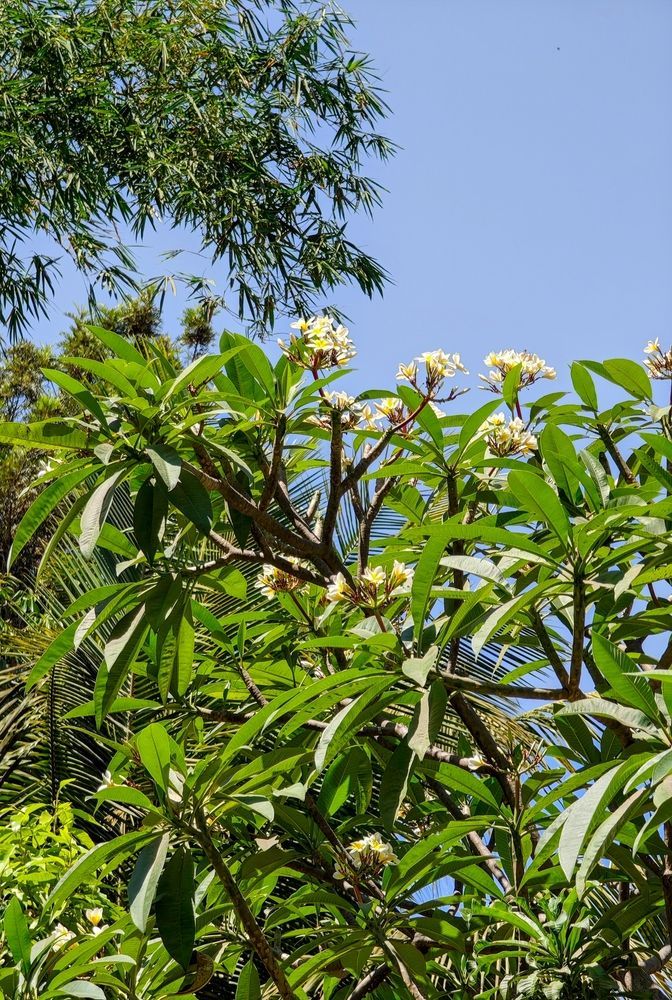
What Proper Pruning Accomplishes Over Time
Pruning targets specific structural problems within the canopy—limbs growing at narrow angles that will split under weight, branches extending toward rooflines that will cause future interference, and crowded zones where multiple limbs compete and weaken each other. By removing these problem branches early, the tree develops a more open structure that distributes weight evenly, allows airflow to reduce fungal growth common in humid climates, and directs energy toward the remaining limbs rather than supporting unnecessary growth. Mr. Alone Services LLC selects cuts based on the tree's natural architecture and the space available for mature canopy spread.
After pruning is complete, your tree displays a cleaner form with better-defined primary limbs, reduced internal congestion, and fewer branches angled toward structures or neighboring property. The canopy allows more light to reach the ground beneath, supporting healthier turf and understory plants, and airflow improves enough to reduce moisture retention that encourages moss and fungal colonization on bark. Over time, the tree requires less corrective work because early pruning established a sustainable branching pattern that grows outward within controlled boundaries rather than inward toward conflict points.
The service includes evaluation of the entire canopy to identify structural weaknesses, removal of selected limbs that compromise long-term stability or clearance, and cleanup of all cut branches and debris. It does not include reducing the overall height or width of the tree for immediate clearance—that requires trimming—but it does prevent future structural failures and reduce the likelihood of storm damage by eliminating weak attachment points before they fail under wind or weight.
What Property Owners Usually Ask
Pruning in Pearl City focuses on correcting growth patterns rather than simply reducing canopy size, which requires understanding tree structure and branch mechanics.
What makes pruning different from trimming?
Pruning removes entire branches at their point of attachment to correct structure and growth direction, while trimming shortens outer limbs to reduce overall canopy size and restore clearance around buildings and property lines.
How do you decide which branches to remove during pruning?
Branch selection depends on identifying limbs with narrow attachment angles, those crossing over or rubbing against primary scaffold branches, and any growth directed toward structures or utilities that will create future interference.
When should pruning be done to avoid stressing the tree?
In Pearl City's climate, pruning can occur year-round because trees do not enter dormancy, but timing is chosen based on recent weather patterns to avoid cutting during periods of active flowering or immediately after heavy storms when the tree is recovering from wind damage.
What happens if crowded branches are left unpruned?
Unpruned crowding leads to rubbing that damages bark and creates entry points for pests and disease, weakens attachment points as competing limbs press against each other, and increases the likelihood of breakage during high winds or heavy rainfall.
How does pruning improve long-term tree health in Oahu's humid conditions?
Thinning the canopy allows air to circulate through the interior, reducing moisture retention that promotes fungal growth, and removing weak or damaged limbs prevents decay from spreading into the main trunk structure.
Mr. Alone Services LLC evaluates branching patterns and structural soundness before recommending specific pruning cuts for your Pearl City property. Request a consultation to address crowded growth and long-term manageability concerns.